
In the engineering construction industry, engineering construction cranes are core lifting and hoisting equipment that runs through the entire project cycle, from foundation construction and main structure erection to decoration and equipment installation. The scientific application of engineering construction cranes can effectively break through the limitations of complex construction environments, improve construction efficiency, ensure construction quality, and reduce potential safety hazards. This article will deeply explore the application scenarios of engineering construction cranes in different types of engineering projects, sort out core SEO keywords, and provide professional and original content references for construction practitioners, equipment procurement personnel and technical managers.
I. Core Application Scenarios of Engineering Construction Cranes
Engineering construction covers a wide range of fields, including civil engineering, bridge construction, high-rise building construction, infrastructure construction (roads, railways, airports) and industrial plant construction. Different construction scenarios have distinct requirements for the tonnage, mobility, and stability of cranes. Engineering construction cranes have formed a diversified product system to adapt to these complex and varied working conditions.
1. High-Rise Building Construction: Vertical Lifting Core for Super High-Rise Projects
High-rise and super high-rise buildings have the characteristics of high construction height, dense structural components, and complex construction procedures. Engineering construction cranes are the key to realizing vertical transportation of materials and erection of structural components in such projects.
Tower cranes, as a typical type of engineering construction crane, are widely used in high-rise building construction. They are fixed on the construction site or attached to the building structure, undertaking the hoisting tasks of steel bars, concrete, formwork, and prefabricated components (such as prefabricated floor slabs, wall panels) to high-rise construction surfaces. For super high-rise buildings above 300 meters, ultra-high tower cranes with high lifting height and large load capacity are usually used, which can realize precise positioning of materials at high altitudes and ensure the smooth progress of the main structure construction.
In addition, during the decoration and equipment installation stage of high-rise buildings, construction elevators (a type of auxiliary engineering construction crane) and small jib cranes are used for transporting decoration materials, electrical equipment, and air-conditioning units, realizing the connection between vertical and horizontal transportation in high-rise spaces.
2. Bridge Construction: Heavy-Duty Hoisting Guarantee for Cross-River & Cross-Sea Projects
Bridge construction, especially large-span bridges (such as cable-stayed bridges, suspension bridges) and cross-river/cross-sea bridges, involves heavy-load hoisting of large structural components and construction in complex environments such as water areas and valleys. Engineering construction cranes in this field need to have strong load-bearing capacity, stability and adaptability to harsh environments.
Crawler cranes and floating cranes are the main engineering construction cranes in bridge construction. Crawler cranes, with their strong ground adaptability and large load capacity, are used for hoisting bridge piers, bridge girders, and cable towers on land or shallow water areas. For example, in the construction of highway and railway bridges, crawler cranes complete the hoisting and installation of prefabricated box girders, ensuring the precision of beam erection.
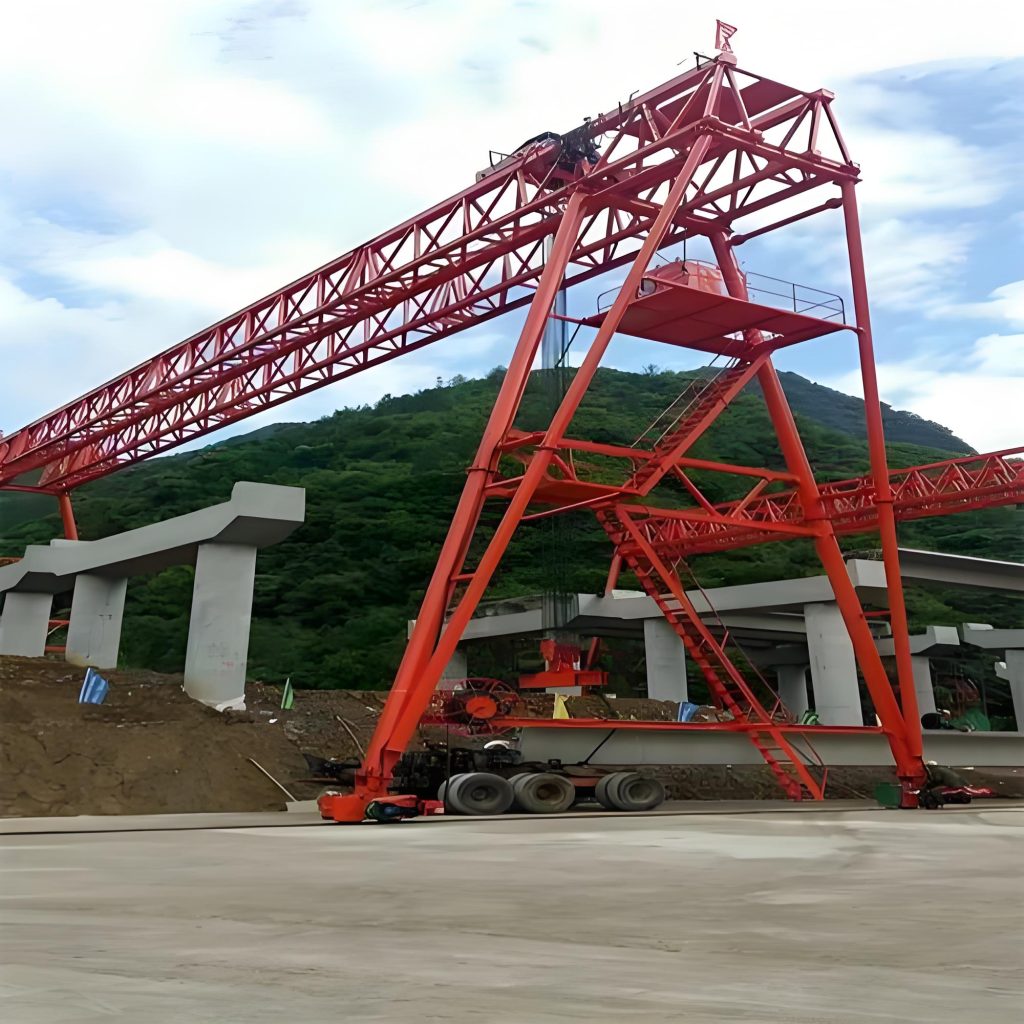
Floating cranes, as a special type of engineering construction crane suitable for water areas, are used in cross-river, cross-sea bridge construction and offshore wind power supporting bridge projects. They can hoist ultra-large and ultra-heavy components (such as bridge main girders, underwater foundations) in deep water areas, overcoming the limitations of land cranes in water construction. In addition, bridge erecting machines, a customized engineering construction crane, are specially used for the continuous erection of bridge girders, improving the efficiency and safety of beam erection.
3. Infrastructure Construction (Roads, Railways, Airports): Mobile Hoisting Support for Linear Projects
Infrastructure projects such as roads, railways, and airports are mostly linear projects with long construction lines and scattered construction points, requiring engineering construction cranes to have strong mobility and flexibility.
In road and railway construction, truck cranes (a type of mobile engineering construction crane) are widely used for hoisting construction materials (such as steel pipes, cement piles), and assisting in the installation of roadbed reinforcement equipment and tunnel construction equipment. For example, in tunnel construction, truck cranes cooperate with tunnel boring machines to hoist and transport tunnel lining segments, ensuring the smooth progress of tunnel excavation and lining.
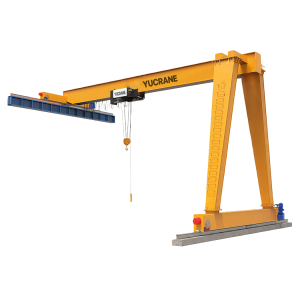
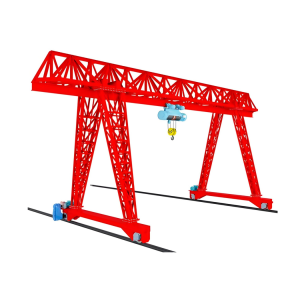
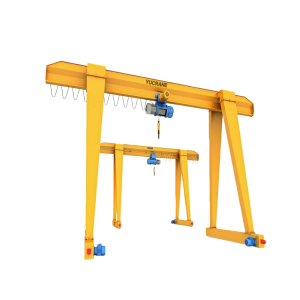
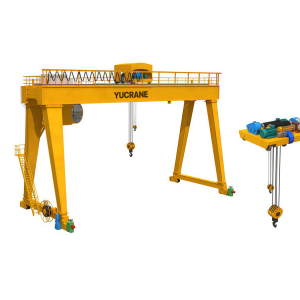
In airport construction, gantry cranes and tower cranes are the main engineering construction cranes. Gantry cranes are used for hoisting and installing large components of airport terminals, such as steel roof trusses and curtain wall frames; tower cranes are responsible for the vertical transportation of materials in the construction of airport runways, aprons and supporting buildings. These cranes ensure the efficient and orderly progress of large-scale airport construction projects.
4. Industrial Plant Construction: Precise Hoisting for Equipment Installation
Industrial plant construction involves the construction of factory buildings and the installation of large-scale industrial equipment (such as boilers, generators, and production lines). This requires engineering construction cranes to have both the ability to hoist building components and the precision to install industrial equipment.
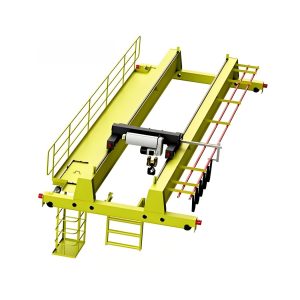
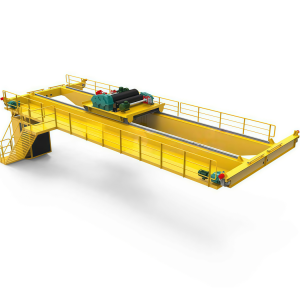
In the construction of factory building steel structures, bridge cranes and crawler cranes in engineering construction cranes are used for hoisting and assembling steel columns, steel beams, and roof trusses, realizing the rapid erection of factory building frames. In the equipment installation stage, large-tonnage crawler cranes and gantry cranes are used for hoisting large industrial equipment to the designated installation position, and precise positioning is achieved through professional hoisting technology, ensuring the normal operation of subsequent equipment.
In addition, for some special industrial plants (such as chemical plants, nuclear power plants), engineering construction cranes need to meet special requirements such as explosion-proof and radiation protection, ensuring the safety of construction operations in special environments.
5. Foundation Construction: Preliminary Support for Project Stability
Foundation construction is the key link to ensure the stability and safety of the entire project, involving piling, foundation pit excavation, and foundation reinforcement. Engineering construction cranes in this link are mainly responsible for hoisting foundation construction equipment and materials.
In piling construction, piling cranes (a type ofengineering construction crane) are used for hoisting and positioning pile drivers, and driving concrete piles or steel piles into the ground to form a stable foundation. In foundation pit excavation, crawler cranes cooperate with excavators to hoist and transport earth and rock, and assist in the installation of foundation pit support structures (such as steel sheet piles, anchor rods). These operations lay a solid foundation for the subsequent construction of the project.
II. Core Value of Engineering Construction Cranes in Projects
As the “backbone” equipment in the engineering construction industry, engineering construction cranes not only undertake the basic task of material hoisting and transportation, but also play a key role in improving construction efficiency, ensuring construction quality and ensuring construction safety. With the development of intelligent construction,engineering construction cranes are constantly upgrading towards intelligence, automation and informatization, such as the integration of GPS positioning, remote monitoring and intelligent scheduling systems, and the development of unmanned cranes, which further improve the level of refined construction management. In the future, engineering construction cranes will be more closely integrated with new construction technologies such as prefabricated buildings and BIM, contributing more to the high-quality development of the engineering construction industry.