

Overview
In the field of industrial lifting equipment, European electric hoists and CD (conventional domestic) electric hoists are two common options. Understanding their differences is crucial for enterprises selecting appropriate lifting equipment. This article provides a detailed comparison from multiple perspectives including technical characteristics, performance parameters, application scenarios, and cost-effectiveness, along with practical selection advice.
Technical Specifications and Design Differences
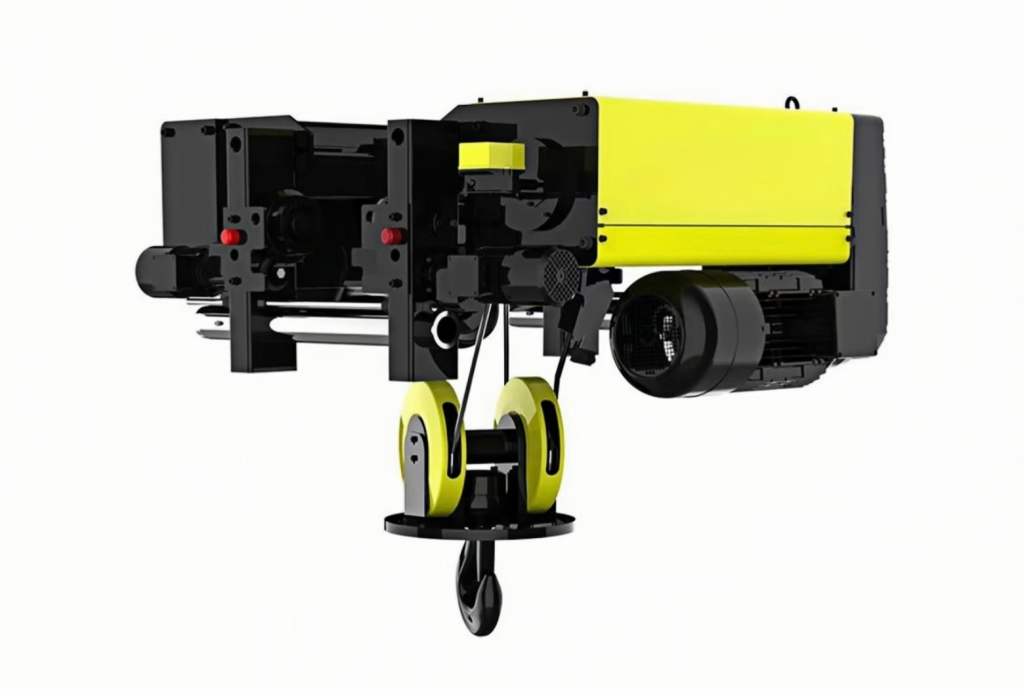
European Electric Hoists
- Design Philosophy: European FEM/DIN standards, modular design, compact structure
- Lifting Capacity: Typically 0.25-80 tons, special models can exceed 100 tons
- Duty Class: Higher, typically reaching FEM M5-M6 classification
- Motor Type: Often uses conical rotor motors or dual-speed motors
- Control System: Integrated intelligent control system, frequency conversion startup, smooth operation
- Safety Features: Multiple protections (overload, limit, phase protection, etc.)
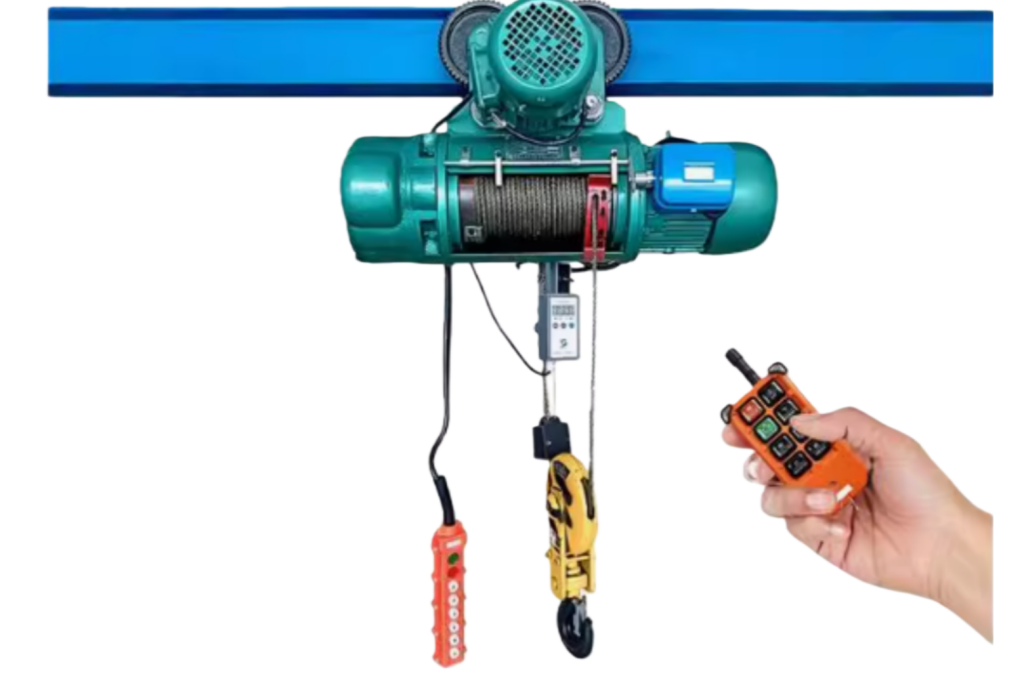
CD Electric Hoists
- Design Philosophy: Traditional design, relatively simple structure
- Lifting Capacity: Typically 0.5-10 tons, fewer high-tonnage models
- Duty Class: Generally M3-M4 classification
- Motor Type: Conventional stator-rotor motors
- Control System: Traditional contactor control, direct startup
- Safety Features: Basic protective devices
Performance Comparison Analysis
Operational Characteristics
European Electric Hoists:
- Smooth starting and stopping without impact
- Precise positioning, achieving millimeter-level accuracy
- Low noise levels (typically <65dB)
- Frequency conversion speed regulation for precision operations
CD Electric Hoists:
- Slight impact during startup
- General positioning accuracy
- Relatively higher operational noise
- Typically single or dual-speed control
Energy Efficiency
European hoists typically feature high-efficiency motors and energy-saving control systems, offering 15%-30% energy savings compared to CD hoists. Significant long-term energy savings in frequently used applications.
Service Life and Maintenance
- European Hoists: Design life typically 10-15 years, longer maintenance intervals, modular design facilitates repair
- CD Hoists: Design life 5-8 years, requiring more frequent maintenance
Application Scenario Recommendations
Scenarios for European Electric Hoists:
- High-frequency Use: Daily operation exceeding 4 hours or over 20 starts per hour
- Precision Operation Requirements: Situations requiring precise positioning or smooth operation
- Harsh Environments: High temperature, high humidity, or dusty conditions
- Automated Production Lines: Integration with automation systems required
- High Safety Requirements: Locations with strict safety performance demands
Scenarios for CD Electric Hoists:
- Low-frequency Use: Daily operation less than 2 hours
- Limited Budget: Lower initial investment budget
- Simple Lifting Operations: No need for precise positioning or special functions
- Temporary or Backup Equipment: Short-term projects or as backup lifting equipment
Cost Analysis
Initial Investment
CD electric hoists typically cost 30%-50% less than equivalent European hoists, offering significant advantages for budget-limited projects.
Long-term Ownership Costs
Considering energy consumption, maintenance costs, and equipment lifespan, European hoists may have lower total ownership costs over 3-5 years in frequent use scenarios (>4 hours/day).
Key Selection Considerations
- Define Usage Requirements: Evaluate frequency of use, precision requirements, environmental conditions
- Calculate Total Ownership Cost: Consider not only purchase price but also energy and maintenance costs
- Verify Certifications and Standards: Check compliance with local safety standards and certifications
- Consider Scalability: Future upgrade needs or integration into automation systems
- Supplier Evaluation: After-sales service, spare parts availability, and technical support capabilities
Maintenance and Safety Considerations
Regardless of hoist type selected:
- Establish regular inspection and maintenance systems
- Operators must receive professional training
- Strictly adhere to rated load capacities
- Regularly verify safety device effectiveness
- Maintain equipment cleanliness and proper working environment
Conclusion
Both European and CD electric hoists have their respective advantages and disadvantages. Selection depends on specific application requirements, budget, and usage conditions. For high-frequency, high-precision, safety-critical applications, European hoists are superior. For low-frequency, simple operations with budget constraints, CD hoists meet basic requirements. We recommend detailed needs analysis and cost evaluation before purchase, consulting professional lifting equipment suppliers when necessary, to select the most suitable solution for specific production needs.