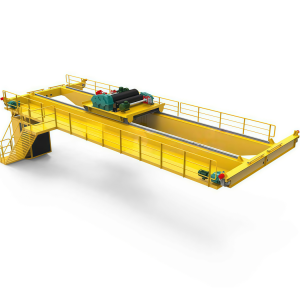

In the metals industry, which covers ferrous metal (iron, steel) and non-ferrous metal (aluminum, copper, zinc) production, metals crane are indispensable core lifting equipment. They run through the entire production cycle from raw material mining and smelting to metal processing and finished product warehousing. The professional application ofmetals crane can effectively adapt to the harsh working conditions of high temperature, heavy load, dust and corrosion in the metals industry, improve production efficiency, ensure product quality and operation safety. This article will deeply analyze the application scenarios of metals crane in the metals industry, sort out core SEO keywords, and provide professional and original content references for industry practitioners, equipment purchasers and technical managers.
I. Core Application Scenarios of Metals Crane
The metals industry has complex production processes and diverse product types, and different production links have strict requirements for the performance, load capacity and protection level of cranes. Metals crane have formed a series of professional products through targeted design, perfectly matching the working conditions of various metals production links.
1. Metal Raw Material Mining & Transportation Stage
The raw material of the metals industry mainly comes from mineral resources such as iron ore, bauxite, copper ore and zinc ore. The mining and initial transportation of these raw materials require metals crane with strong environmental adaptability and large load capacity.
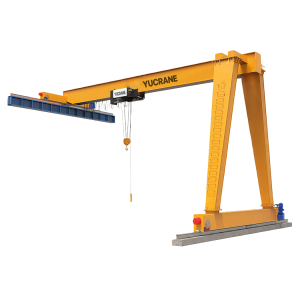
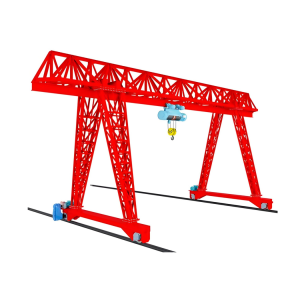
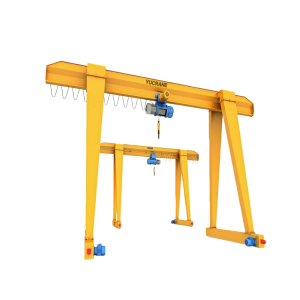
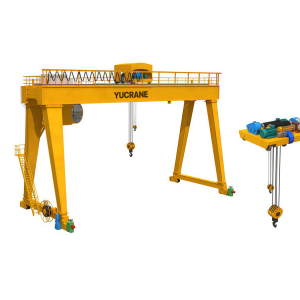
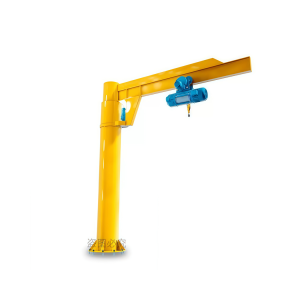
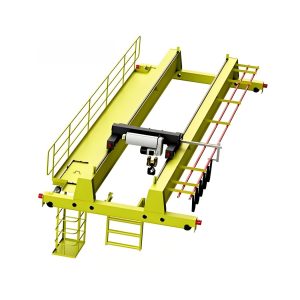
In open-pit mines, crawler cranes and gantry cranes in metals crane are widely used for hoisting and transferring large ore blocks, mining equipment (such as drill bits, crushers) and auxiliary materials. These cranes have strong ground adaptability and can work stably in harsh environments such as uneven terrain and dust. In underground mines, explosion-proof overhead cranes and jib cranes (a type of metals crane) are used for hoisting ore, transporting mining personnel and equipment maintenance. They adopt explosion-proof and dust-proof designs to meet the safety requirements of underground confined spaces.
After mining, metals crane are also responsible for loading ore onto transport vehicles (trains, ships) and transferring it to smelting plants, realizing the connection between mining and smelting links.
2. Metal Smelting Stage: High-Temperature & Heavy-Load Core Support
Metal smelting is a key link in the metals industry, involving high-temperature reactions such as sintering, pelletizing, blast furnace ironmaking, converter steelmaking, and non-ferrous metal electrolysis. This stage requires metals crane with excellent high-temperature resistance, heavy-load capacity and precise positioning performance.
In ferrous metal smelting (steel production),metals crane such as blast furnace cranes, converter cranes and ladle cranes are the core equipment. Blast furnace cranes are responsible for hoisting and feeding raw materials (ore, coke) into the blast furnace, and transferring slag tanks and molten iron tanks during tapping. Converter cranes undertake the tasks of hoisting molten iron tanks for iron charging and transferring ladles after steelmaking. Ladle cranes are used for transporting ladles between refining furnaces, continuous casters and other equipment. These metals crane are equipped with high-temperature insulation layers, anti-radiation devices and double braking systems to ensure safe and stable operation under high-temperature and heavy-load conditions.
In non-ferrous metal smelting (aluminum, copper smelting), electrolytic cranes and smelting furnace cranes (a type ofmetals crane) are widely used. Electrolytic cranes are used for hoisting anode plates, cathode plates and aluminum ingots in aluminum electrolysis cells, with precise positioning function to ensure the normal operation of electrolysis process. Smelting furnace cranes are responsible for adding raw materials (bauxite, copper concentrate) to smelting furnaces and transferring molten non-ferrous metals, adapting to the corrosion and high-temperature environment of smelting flue gas.
3. Metal Processing Stage: Precision Hoisting for Forming & Finishing
Metal processing includes rolling, forging, stamping, casting and other forming processes, as well as surface treatment (plating, spraying) and precision machining. This stage requires metals crane with high precision, smooth operation and flexible movement to avoid damage to metal workpieces.
In the rolling process (production of steel plates, profiles, aluminum sheets), metals crane such as slab cranes and coil cranes are used. Slab cranes are responsible for hoisting steel slabs/aluminum slabs from heating furnaces to rolling mills, and transferring rolled semi-finished products to cooling areas. Coil cranes are used for hoisting and uncoiling metal coils (steel coils, aluminum coils), with anti-slip and anti-deformation devices to protect the surface quality of coils. These cranes adopt frequency conversion speed regulation technology to realize smooth lifting and precise positioning.
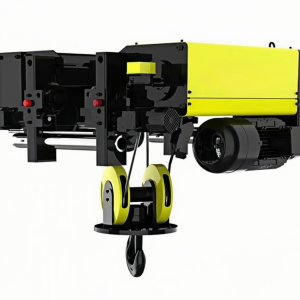
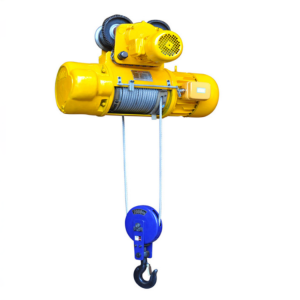
In forging and stamping workshops, jib cranes and gantry cranes in metals crane are used for hoisting metal blanks to forging presses, stamping machines and other equipment, and transferring forged/stamped workpieces. For precision metal processing (such as copper parts machining), precision electric hoists (a type of metals crane) are used for hoisting small and medium-sized workpieces, ensuring the machining accuracy by reducing hoisting vibration.
4. Metal Finished Product Warehousing & Logistics Stage
After processing, metal finished products (steel plates, profiles, aluminum products, copper wires) need to be warehoused, sorted and shipped. This stage requires metals crane with high efficiency, flexibility and good compatibility to adapt to the storage and transportation needs of different types of finished products.
In finished product warehouses, overhead cranes and gantry cranes in metals crane are used for hoisting and stacking metal finished products. For example, in steel plate warehouses, overhead cranes with electromagnetic spreaders are used to hoist and stack steel plates, improving stacking efficiency and space utilization. In non-ferrous metal finished product warehouses, metals crane with soft spreaders are used to hoist aluminum profiles and copper pipes to avoid surface scratches.
In the shipping link, metals crane such as container cranes and portal cranes are used for loading metal finished products onto ships, trains or trucks, realizing the efficient connection between warehouse and transportation, and ensuring the smooth delivery of products.
5. Metal Scrap Recycling & Reutilization Stage
With the development of the circular economy, metal scrap recycling has become an important part of the metals industry. The sorting, crushing and remelting of metal scrap require the assistance of metals crane.
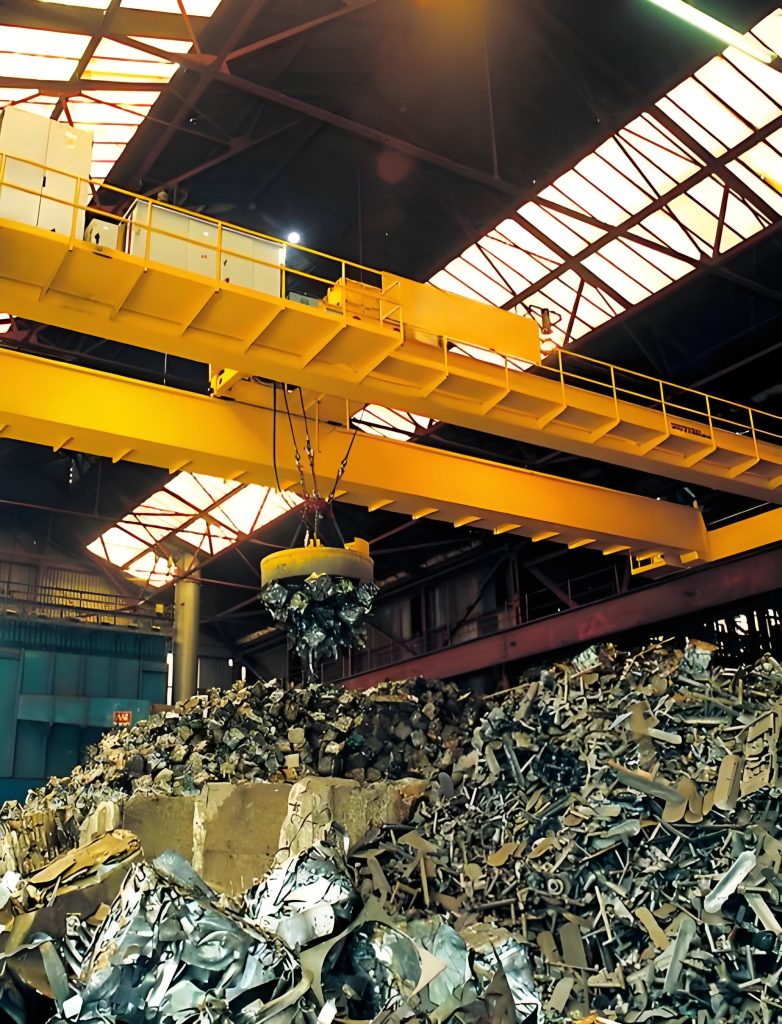
In scrap yards, gantry cranes and electric hoists in metals crane are used for hoisting and sorting metal scrap (scrap steel, scrap aluminum, scrap copper). In the remelting stage, metals crane are responsible for hoisting metal scrap into smelting furnaces, realizing the recycling of resources. These cranes are usually equipped with wear-resistant and corrosion-resistant components to adapt to the harsh environment of scrap recycling.
II. Core Value of Metals Crane in the Metals Industry
As the “lifeline” equipment in the metals industry, metals crane not only undertakes the basic task of material lifting and transportation, but also plays a key role in ensuring the continuity of production, improving production efficiency and ensuring operation safety. With the upgrading of the metals industry towards intelligence and greenization, metals crane are also constantly innovating, such as integrating intelligent monitoring systems to realize real-time monitoring of equipment operation status, developing energy-saving and environmentally friendly cranes to reduce energy consumption, and applying remote control technology to reduce the risk of operators working in harsh environments. In the future, metals crane will be more closely integrated with the intelligent production system of the metals industry, providing stronger support for the high-quality development of the industry.