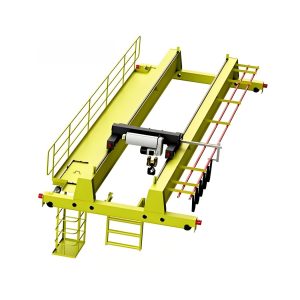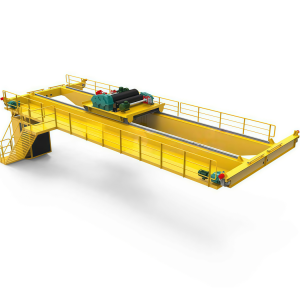

Crane is a core handling and lifting equipment in the warehousing and logistics industry, which undertakes key tasks such as cargo loading/unloading, vertical lifting, horizontal transshipment, storage and retrieval, and assembly line matching. It effectively improves the turnover efficiency of goods, saves storage space, and adapts to the operation needs of bulk cargo, heavy goods, containerized cargo and special materials. Below is a detailed introduction to its classified applications and practical cases in warehousing and logistics scenarios.
According to equipment types and scenario characteristics, the applications are divided into the following categories, covering dock logistics, warehouse storage, automated logistics parks and other links:
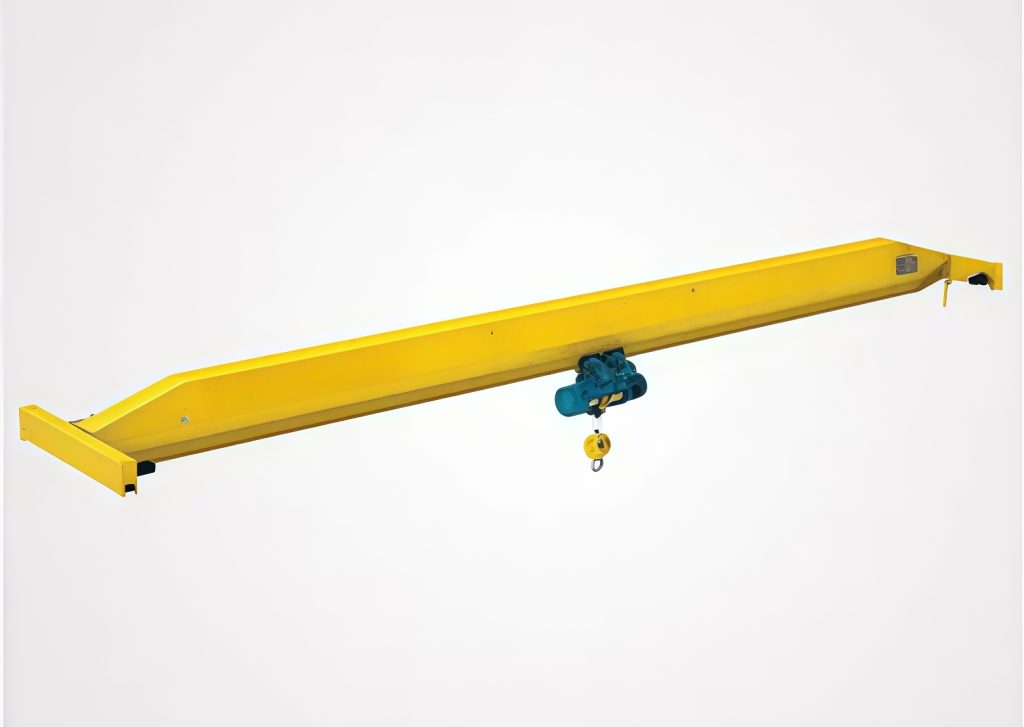
1. Bridge Cranes (Overhead Cranes)
Application Scenarios & Functions
- Mainly installed in large indoor warehouses, heavy-duty logistics centers, manufacturing finished-product warehouses, spanning the storage and operation area.
- Undertake heavy cargo lifting, transshipment between storage areas and loading/unloading platforms, and cooperate with shelf systems for high-level storage of heavy goods.
- Adapt to heavy loads (dozens to hundreds of tons) and large-span operation scenarios, suitable for steel, mechanical parts, large equipment and other heavy goods.
Key Advantages
Covers a large operation area, runs stably, and can be matched with frequency conversion control to realize precise positioning of goods, reducing collision damage.
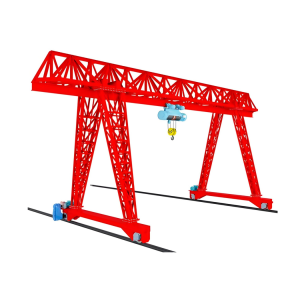
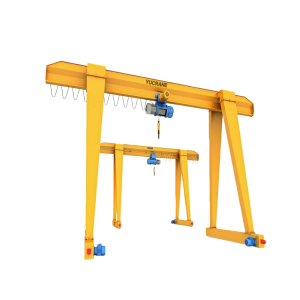
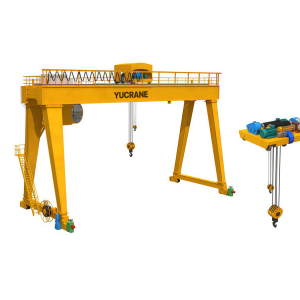
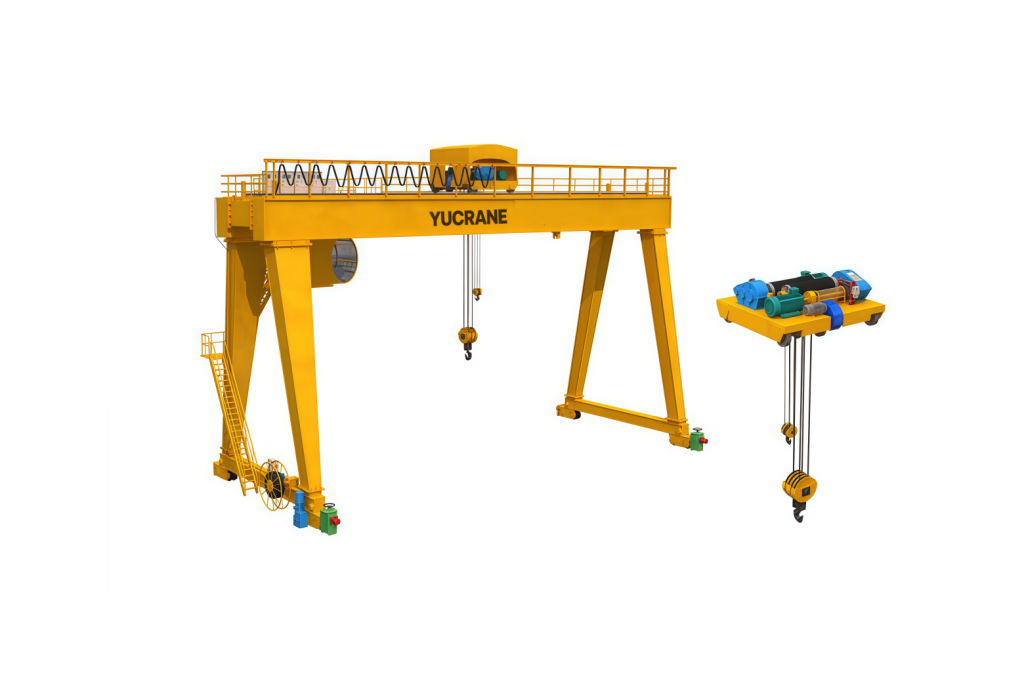
2. Gantry Cranes (Portal Cranes)
Application Scenarios & Functions
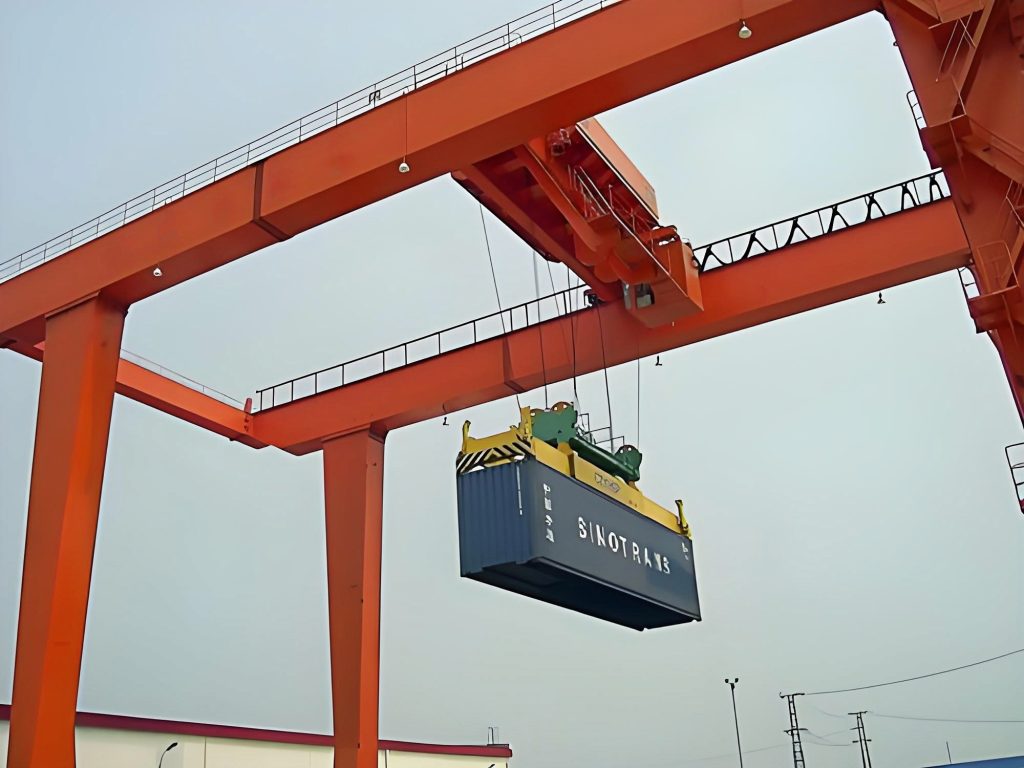
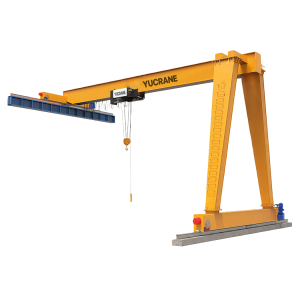
- Divided into full gantry and semi-gantry types, widely used in outdoor logistics yards, container terminals, bulk cargo transfer stations, and open-air storage areas.
- Complete container loading/unloading, stacking and transshipment; lift and store bulk materials such as coal, grain, and ore; connect waterway, railway and road logistics hubs.
- Outdoor adaptability is strong, no need for high-load factory building structure, low infrastructure cost for open yards.
3. Stacker Cranes (Automated Storage Cranes)
Application Scenarios & Functions
- Core equipment of Automated Storage and Retrieval System (AS/RS), dedicated to three-dimensional automated warehouses.
- Realize automatic access, lifting and horizontal transshipment of unitized goods (pallets, material boxes) in high-level shelves, and connect with WMS/WCS system for unmanned and intelligent operation.
- Suitable for e-commerce fulfillment centers, pharmaceutical cold-chain warehouses, auto parts logistics, electronics manufacturing warehouses with high requirements for storage density and turnover efficiency.
Key Advantages
High storage space utilization (up to dozens of meters in vertical height), fast operation speed, high positioning accuracy, and can realize 24-hour uninterrupted intelligent operation.
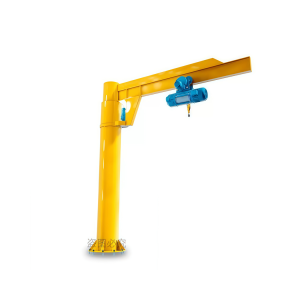
4. Jib Cranes (Wall-Mounted / Column-Mounted)
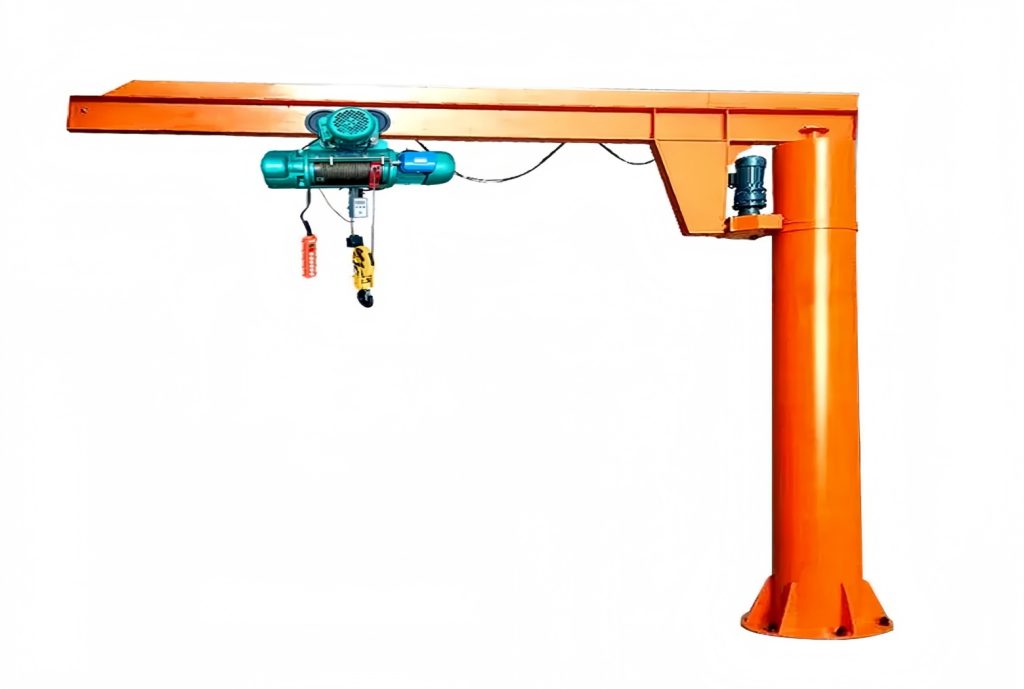
Application Scenarios & Functions
- Small and medium-sized fixed cranes, arranged in warehouse workstations, loading/unloading stations, local maintenance areas, and decentralized cargo handling points.
- Complete short-distance, small-range lifting of light and medium-sized goods, auxiliary loading/unloading and local transshipment, flexible rotation and convenient operation.
- Complement large cranes to cover local dead zones of logistics handling.
5. Special Modified Cranes for Logistics
- Container Spreader Cranes: Equipped with special spreaders, dedicated to container locking, lifting and stacking in terminals and inland container depots.
- Explosion-Proof / Anti-Corrosion Cranes: Used in logistics warehouses for hazardous chemicals, food, and marine materials, meeting safety and environmental protection norms.
- Telescopic / Mobile Cranes: Applied in temporary logistics transfer stations, emergency cargo handling, and multi-scenario mobile operation needs.
6. Auxiliary Key Functions in Logistics System
Safety control: Equipped with load limit, anti-swing, positioning monitoring and other systems to reduce cargo damage and safety accidents.
Connect multi-mode transportation: Connect ships, trains, trucks to complete cargo transshipment between different transportation tools.
Storage optimization: Realize high-density three-dimensional storage and improve land and warehouse utilization.
Efficiency improvement: Replace manual handling, reduce labor intensity, shorten cargo turnover time and reduce logistics costs.